
Blog
How to get the most out of multivitamins?



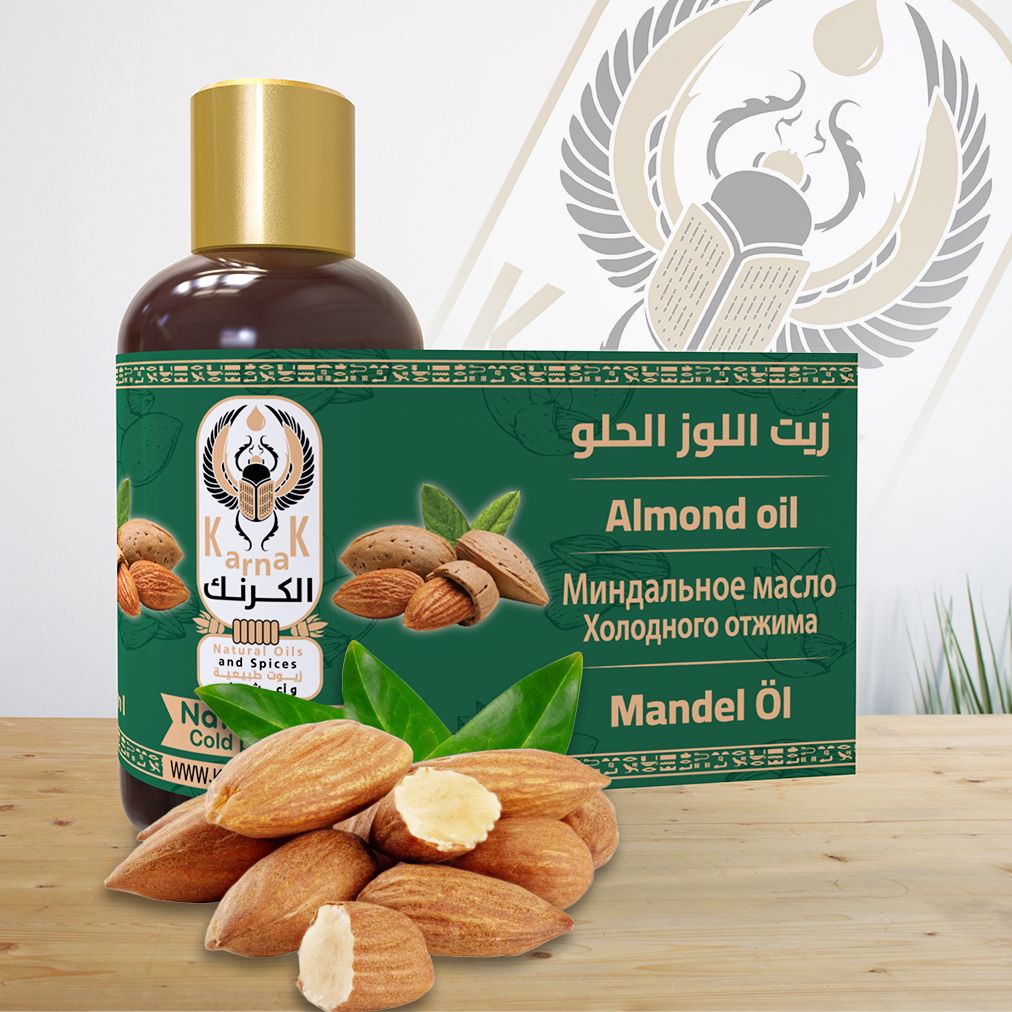
Almond oil
- Scientific Name: Prunus amygdalus, Family: Rosaceae
- Parts used: Nuts
- Method of extraction: cold pressed
- Appearance : Light to pale yellow
- Purity: 100%
- Main active ingredients : Vitamin E, Vitamin A, Vitamin K, Omega-3 Fatty Acids, and zinc.
- Main uses: Increased Heart Health, Good Source of Vitamin E, Healthy Weight Maintenance, Sun Damage and Aging Prevention, Moisturize your skin, Apply it to extra dry spots, Used as a facial cleanser, Lighten your scars and marks, Reduce puffiness and under-eye circles, Reduce the appearance of acne, Soothe flaking and itching of the scalp, Promote hair growth, Strengthens and repairs hair and Body Massage and Aromatherapy.
Select options
This product has multiple variants. The options may be chosen on the product page
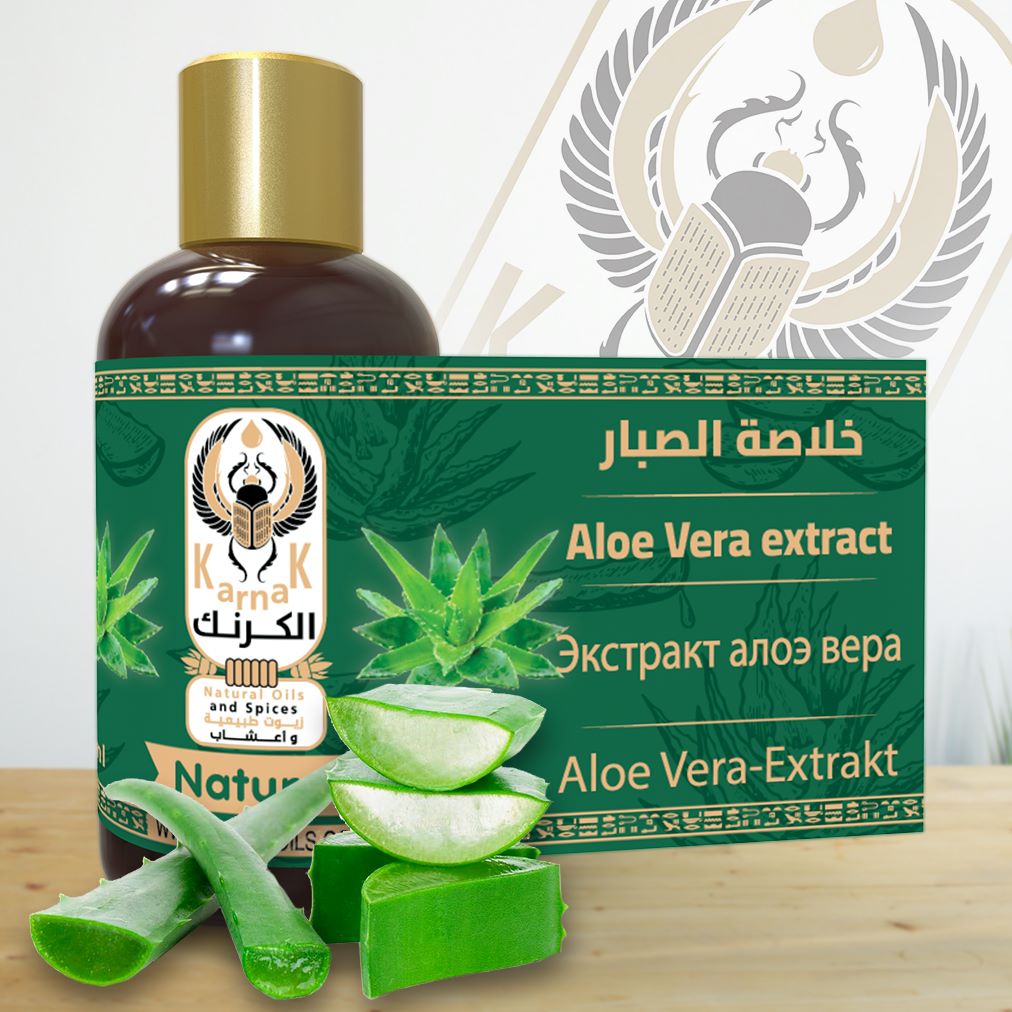
Aloe vera extraction
- Scientific Name: Aloe barbadensis miller, Family: Liliaceae
- Parts used: Leaves
- Method of extraction: extract from leaves
- Appearance : colorless
- Purity: 100%
- Main active ingredients : Anthraquinones, Vitamins, enzymes, minerals, fatty acids and hormones.
- Main uses: Healing properties, protective effect against radiation damage to the skin, for sunburn, Anti-inflammatory action, Antiviral activity, Moisturizing and anti-aging effect, Antiseptic effect, for face and hair.
Select options
This product has multiple variants. The options may be chosen on the product page
Aloe-vera-Extrakt
- Wissenschaftlicher Name: Aloe barbadensis Miller, Familie: Liliengewächse (Liliaceae)
- Verwendete Teile: Blätter
- Extraktionsmethode: Extrakt aus Blättern
- Aussehen: farblos
- Reinheit: 100 %
- Hauptwirkstoffe: Anthrachinone, Vitamine, Enzyme, Mineralstoffe, Fettsäuren und Hormone.
- Hauptanwendungsgebiete: Heilende Eigenschaften, Schutzwirkung gegen Strahlenschäden an der Haut, bei Sonnenbrand, entzündungshemmende Wirkung, antivirale Aktivität, feuchtigkeitsspendende und Anti-Aging-Wirkung, antiseptische Wirkung, für Gesicht und Haar.
Select options
This product has multiple variants. The options may be chosen on the product page
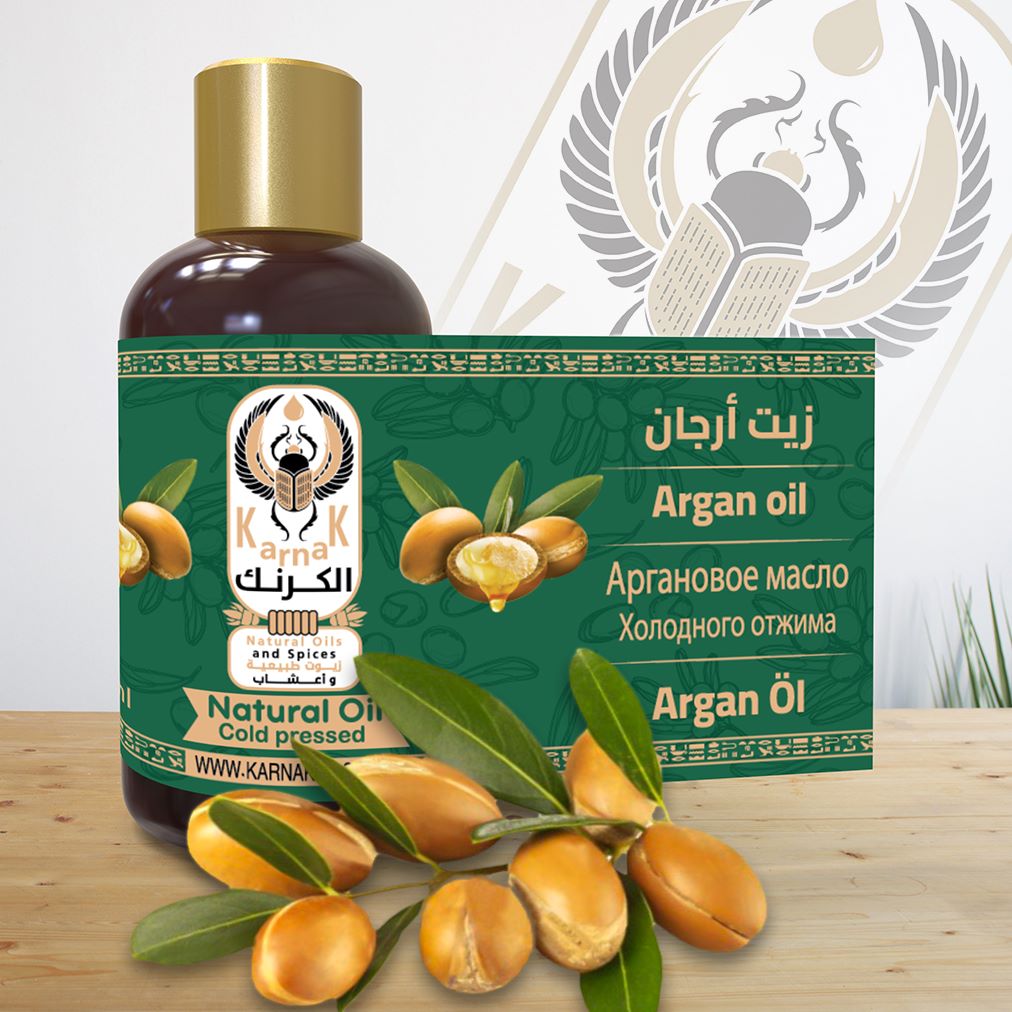
Argan oil
- Scientific Name: Argania spinosa, family Sapotaceae
- Parts used: kernels
- Method of extraction: cold pressed
- Appearance: golden yellow
- Purity: 100%
- Main active ingredients : Vitamin A& E, oleic acid, linoleic acid, phytosterols, polyphenols, coenzyme Q10 and melatonin.
- Main uses: Skin moisturizer, Makeup remover and cleanser, for acne, For eczema, Anti-aging, For stretch marks, on the beach ( for skin and hair), for hair, for massage.
Select options
This product has multiple variants. The options may be chosen on the product page
Related Posts

What is fiber and why is it important for health?

So how did the classical Latin become so incoherent? According to McClintock, a 15th century typesetter likely scrambled part of Cicero...

5 ways to celebrate your mom on Mother’s Day
So how did the classical Latin become so incoherent? According to McClintock, a 15th century typesetter likely scrambled part of Cicero...

Syncing Up for an Integrated Brain
So how did the classical Latin become so incoherent? According to McClintock, a 15th century typesetter likely scrambled part of Cicero...
What foods stimulate fat burning?
So how did the classical Latin become so incoherent? According to McClintock, a 15th century typesetter likely scrambled part of Cicero...

How to regain performance and energy
So how did the classical Latin become so incoherent? According to McClintock, a 15th century typesetter likely scrambled part of Cicero...

How to organize an effective training process
So how did the classical Latin become so incoherent? According to McClintock, a 15th century typesetter likely scrambled part of Cicero...

Motivation to introduce healthy habits
So how did the classical Latin become so incoherent? According to McClintock, a 15th century typesetter likely scrambled part of Cicero...